

Shire and City Council Workshops
Help your residents develop sustainable gardening practices by providing a workshop targeted at waterwise and diversity awareness.
Download the Workshop Information Flyer
for detailed information

Waterwise Gardening Series
With increasing pressure on water resources, changing climatic conditions and the ongoing challenges of Perth’s unique soils, empowering residents with practical waterwise gardening knowledge is an important part of building resilient and sustainable communities.
-
Part one of the waterwise series focuses on the importance of soil. We discuss soil types common in Perth, beneficial microbes, hydrophobia and nutrient values. This knowledge underpins methods for improving soil to sustain healthy plant growth.
Participants observe how water infiltrates different soil types to understand the relationship between our soil, plant growth and the greater ecosystem.
-
Part two of this series focuses on plant characteristics and morphology. We look at visible and unseen features of that have helped endemic natives adapt and survive in our poor soil, dry seasons and tough climate.
Through bucketloads of plant samples, photos and discussions, residents are given a scientific understanding of the why certain plants do better than others, helping them to make smarter choices.
Emphasis is placed on endemic native species.
-
Part three of the waterwise series looks at how different watering methods affects water usage as well as the types of water available for home gardeners.
Residents learn about groundwater restrictions, scheme water rules and the advantages of utilising rain, grey and self-watering systems in the home.
Samples of irrigation fittings and their capabilities give practical skills that can be easily applied.

Wildlife Gardening
Come and discover practical ways to transform your garden into a haven for wildlife. Whether you have a large yard or a small balcony, you’ll learn how to create vital connections to the greater ecosystem, choose the best plants for nesting and shelter, and support natural food cycles. By fostering planting diversity and nature corridors, you can make a meaningful impact and help your local birds and wildlife thrive!
A great event for Biodiversity Month!
-
Gardening for birds focuses specifically on birdlife and the elements home gardeners can introduce to support and foster birds of many different species.
We will explore:
Garden connections to the greater ecosystem
Endemic bird species
Understanding birds’ needs
Consideration of bird’s size and adaptations when designing your garden
Plant species to support nesting and shelter
Differing feeding habits of native birdlife
Plant species to support natural food cycles
Protecting birds from threats
By fostering planting diversity and nature corridors, you can make a meaningful impact and help your local birds thrive!
-
Gardening for wildlife is a broader event which encompasses how home gardeners can connect to local ecosystems to support birds, mammals, reptiles and insects.
Through practical ideas and an appreciation of ecological connections, you'll discover that every garden can become part of a living network that helps sustain our unique natural heritage.
We will explore:
How all gardens are part of the greater ecosystem.
WA’s extraordinary biodiversity and endemic species, from reptiles and birds to mammals.
How to meet wildlife’s seasonal needs and encourage them into your garden.
Design techniques and inclusions to create a habitat garden.
Plant species to support natural food cycles.
Managing threats, predators and unwanted garden visitors.
Come along and learn how every garden is part of a living landscape.

Verge Gardening Workshop
Verge gardens can transform the space between our homes and the street into attractive, functional and environmentally valuable landscapes. This practical workshop gives residents the knowledge and confidence to create verges that are waterwise, low-maintenance, climate-resilient and suited to local conditions. while contributing to broader community goals around sustainable streetscapes, urban greening and climate resilience.
-
Gardening on the verge is a wonderful opportunity to contribute to your streetscape, encourage wildlife and create a beautiful vista for your home. This workshop teaches residents the basics in safety, plant choices and how to find out more about their local shire’s rules and regulations such as setback and irrigation.
We will discuss:
Benefits of verge gardening
Your rights and responsibilities of gardening on the verge
Street tree regulations
Pros and cons of a lawned verge
Waterwise plant selection options for low maintenance verges
Where to source inspiration and plant stock
Make the most of the space in front of your property and use it to enhance the feel and value of your home. Verge gardening is fun and rewarding!
Right Tree, Right Place
Urban Tree Workshop
With a sharp loss in urban canopy, threats from Polyphagous Shothole borer and decline of habitat for Black Cockatoos, it is more important than ever to plant trees in Perth. This event looks at the importance that trees have, reasons for their decline and how to promote tree awareness. We discuss suitable species for differing circumstances, basic care and maintenance requirements.
A great event for the WA Tree Festival!
Supports WALGA’s Model Tree Retention Local Planning Policy, Urban Canopy and Urban Greening initiatives.
-
Trees contribute significantly to the overall well-being of our community. However, many home owners lack the assurance to plant and maintain a tree within their own gardens.
This event looks at some of the barriers people face when managing trees and provides insight into which trees are best suited to urban properties with an aim to retain them through to maturity.
We will discuss:
The benefits of trees
Perth’s urban canopy decline
How to choose a tree for your garden: selection considerations and recommendations
Local stock availability, costs and options
Government rebates
Planting and establishment methods
Basic maintenance
Weedy and noxious trees to avoid
Perth needs more trees. With a sharp loss in urban canopy, threats from Polyphagous Shothole borer and decline of habitat for Black Cockatoos, it is more important than ever to plant trees, let them grow, mature and reach their potential.
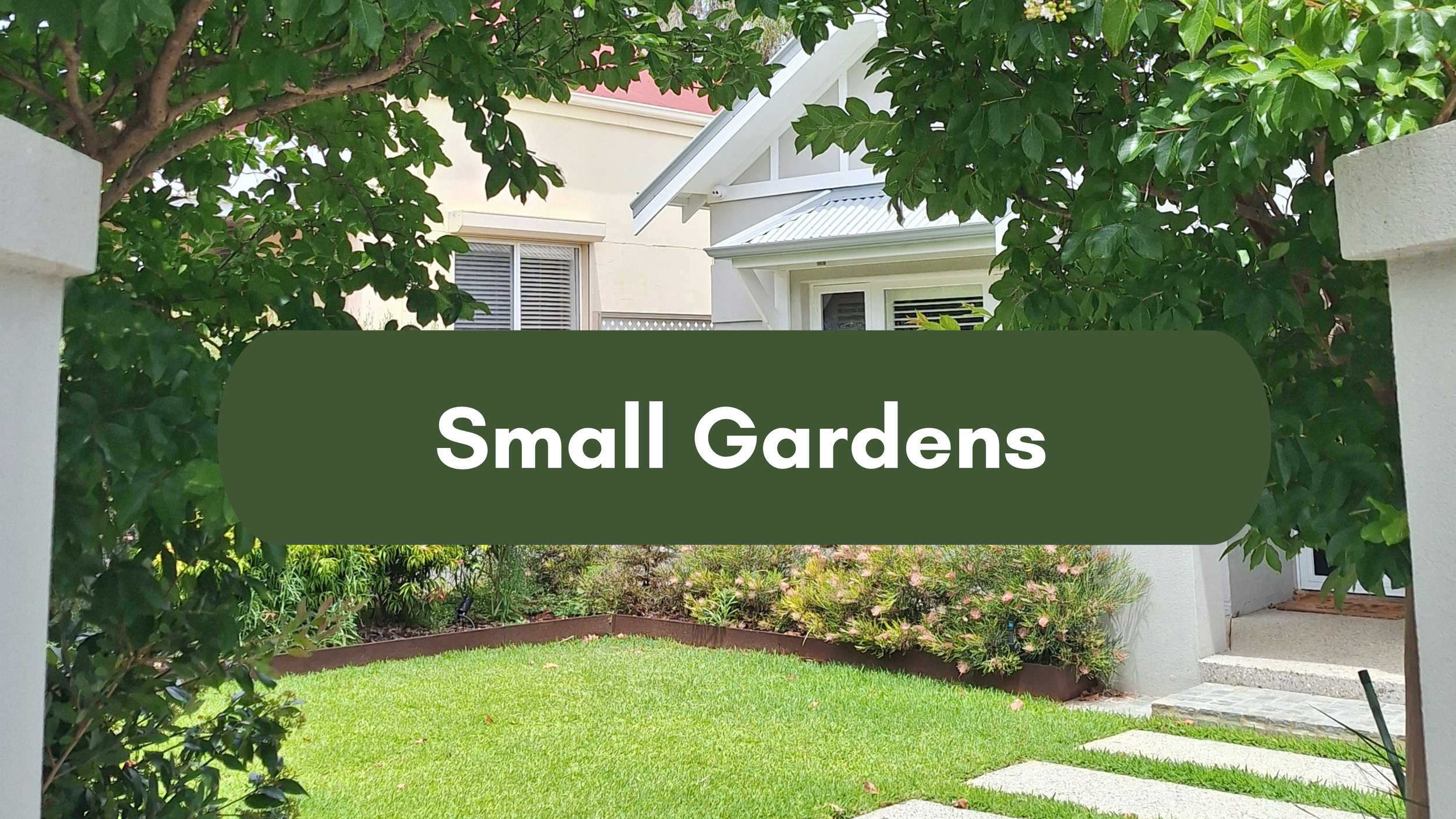
Small Gardens Workshop
Deliver the secrets to sustainable urban gardening with this Small Garden Workshop. Designed for city dwellers and homeowners with limited outdoor space, this session encourages urban greening by giving residents the knowledge and inspiration to get planting, connecting habitat, beautifying suburbs and reducing urban heat in the process.
Supports Urban Canopy and Urban Greening initiatives.
-
Transform your compact outdoor space into a vibrant retreat with creative small garden ideas. Whether you have a tiny backyard, a balcony, or just a little corner to spare, you can enjoy greenery, colorful blooms, and invite the wildlife in.
Discover how thoughtful design and clever planting can make the most of every inch, turning limitations into beautiful possibilities.
Explore:
Design principles for maximizing small garden spaces
Incorporating multi-functional furniture and garden features
Choosing the right plants for limited areas
Creating privacy and shelter with screens, trellises, and plantings
Vertical gardening techniques and container gardening
Sustainable and waterwise gardening practices
Encouraging native wildlife and pollinators
Implementing efficient composting and soil improvement methods
Integrating edible plants for fresh herbs and vegetables
Join our Small Garden Workshop and learn how to cultivate a thriving, diverse retreat right outside your door. This session highlights sustainable, waterwise gardening techniques, fostering a strong connection to the local ecosystem.

Six Seasons Series
This six-part workshop series uses the Noongar Six Seasons as a framework to help residents understand what is happening in their gardens throughout the year and, importantly, when to take action.
Each seasonal workshop provides practical, timely guidance on garden maintenance, planting, pest and weed management, waterwise practices and garden safety. By aligning gardening activities with seasonal conditions and natural cycles, residents can make better-informed decisions, improve garden performance and avoid unnecessary maintenance, water use and costs.
-
Hot, dry easterly winds and little rainfall dry the sandy soils, while marri, jarrah and banksias provide nectar and shade as many plants conserve moisture or complete flowering.
Key focuses:
Maintaining soil health during drought
Understanding and treating hydrophobia
Supporting native wildlife through heat and dry
Fire safety, fuel loads and total fire bans.
Managing summer weeds
-
The hottest and driest season brings intense heat and low soil moisture, with coastal breezes offering relief as flowering gums, paperbarks and hardy native shrubs continue to support birds and insects.
Key focuses:
Waterwise irrigation and water usage
Mulch types and applications
Alternative water sources and methods
Staying safe in the heat
Urban heat island effect and planning future shade
-
Cooler days, light dews and the first autumn rains begin replenishing dry soils, encouraging fresh growth, fungi and the flowering of species such as red-flowering gums and banksias.
Key focuses:
Soil improvement methods for long term gain
Understanding soil pH and endemic plant adaptation
Winter weed prevention
Selecting trees and local suppliers
-
Cold weather, frequent rain and saturated soils nourish wetlands, streams and forests, while many native trees and shrubs produce vigorous root and foliage growth.
Key focuses:
Winter sprinkler ban
Identifying and controlling weeds through IPM
Safe use of herbicides
Storm safety
How to select and plant native plants
-
As rainfall continues and temperatures slowly rise, fertile, moist soils support prolific wildflower displays, new plant growth and abundant insect and bird activity.
Key focuses:
Utilising green waste in a circular economy
The science of compost and soil nutrients
Pruning basics for native and exotic plants
Supporting native breeding and bird nesting season
-
Warm, longer days and declining rainfall see soils gradually drying, while spectacular displays of wildflowers, wattles, kangaroo paws and flowering eucalypts provide abundant food for pollinators and wildlife.
Key focuses:
Understanding fertilisers
Reptile safety
Caring for young plants and trees
Preparing gardens for hot weather
Fuel loads and fire safety
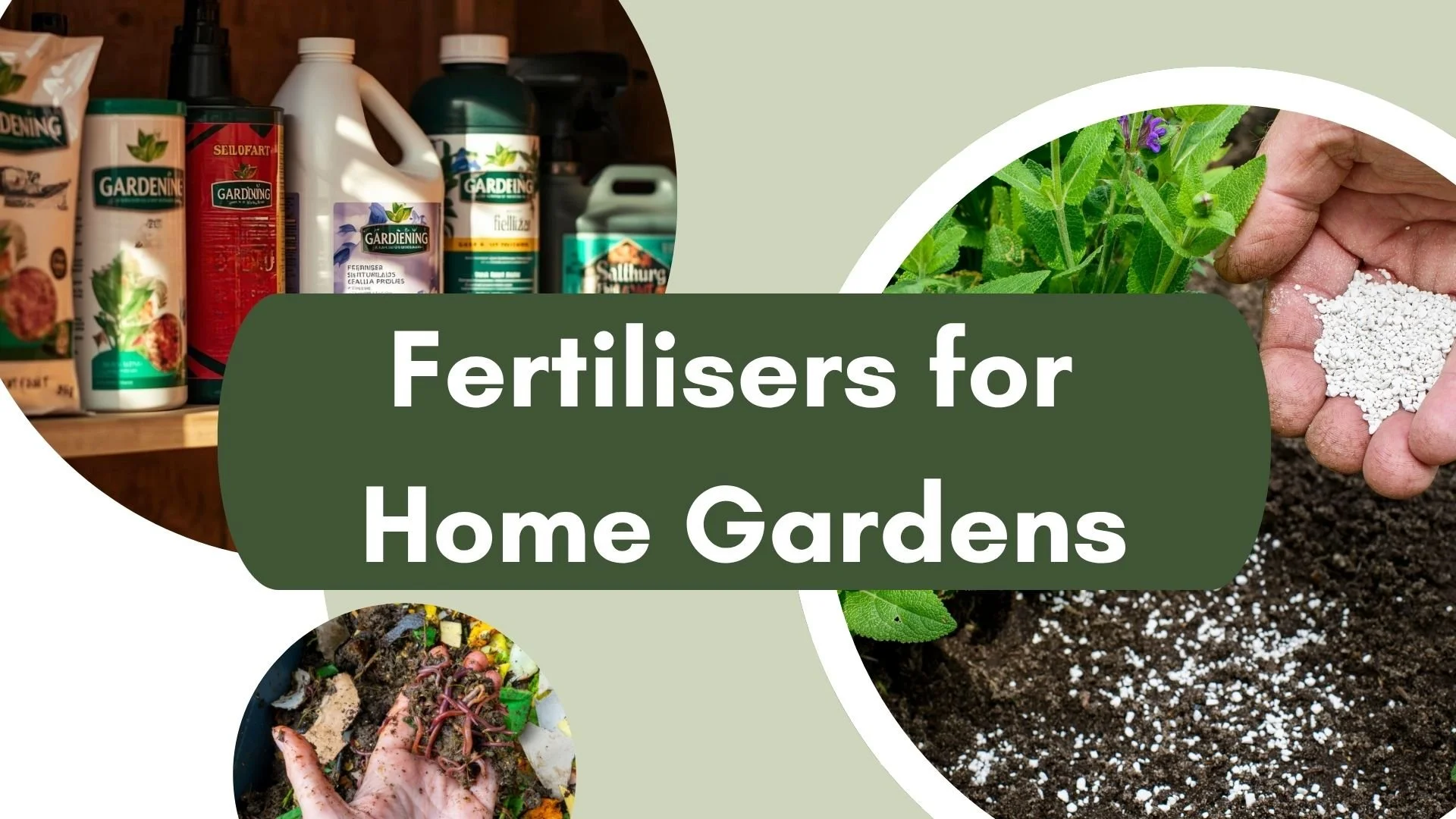
Fertilisers for Home Gardens
Empower residents to make smarter, more sustainable fertilising choices that improve plant health while reducing household costs, waste and environmental impacts.
This practical workshop builds community capacity in soil health, nutrient management and resource efficiency, helping residents use the right product, at the right time, in the right amount. By reducing over-fertilisation and nutrient runoff, the workshop supports water quality, healthy waterways, sustainable gardening and environmental stewardship.
Supports Water Protection Policies
-
Fertiliser use is one of the most misunderstood aspects of home gardening, often leading to poor plant performance, wasted money and unintended environmental impacts. This practical workshop helps home gardeners cut through the confusion and understand how fertilisers really work, and how to use them effectively in Australian conditions.
Participants will explore the different types of fertilisers, how soils and pH affect nutrient availability, and how overuse can damage plants and contribute to waterway pollution, including algal blooms. The focus is on simple, practical and sustainable feeding strategies that improve plant health while protecting soil and the broader environment.
We will discuss
What fertilisers actually do (and what they don’t)
The main types of fertilisers and their pros and cons
How Australian soils affect fertiliser performance
How soil pH influences nutrient availability and plant health
How to avoid common overfertilisation mistakes that damage plants
Fertiliser sensitive Australian native plants
The environmental impact of fertiliser runoff on waterways and algal blooms
How to match fertiliser type and timing to plant needs and seasons
Strategies to improve soil health and reduce fertiliser dependence
Creating fertilising routine
Ideal for home gardeners wanting to get better results with less waste, cost and guesswork.

For further information or to receive a quote, please contact me.
Workshop requirements:
Workshops require an indoor venue with access to power and a projector/smart screen.
Audience volume is only limited by your venue, and seating arrangements.
Workshops typically run 2 - 2.5 hours. Longer and whole-day events can be negotiated.
Venue bookings will need to include an additional hour either side of the event to set up and pack down.
It is recommended the City/Shire provide light snack and beverages to residents to assist engagement and sense of community.


Got a topic you want presented? Send it through!
Hannah has a broad range of horticultural, sustainability and ecosystem knowledge and loves to research new topics. Flex her educational parameters by suggesting a specialised topic you would like covered.